
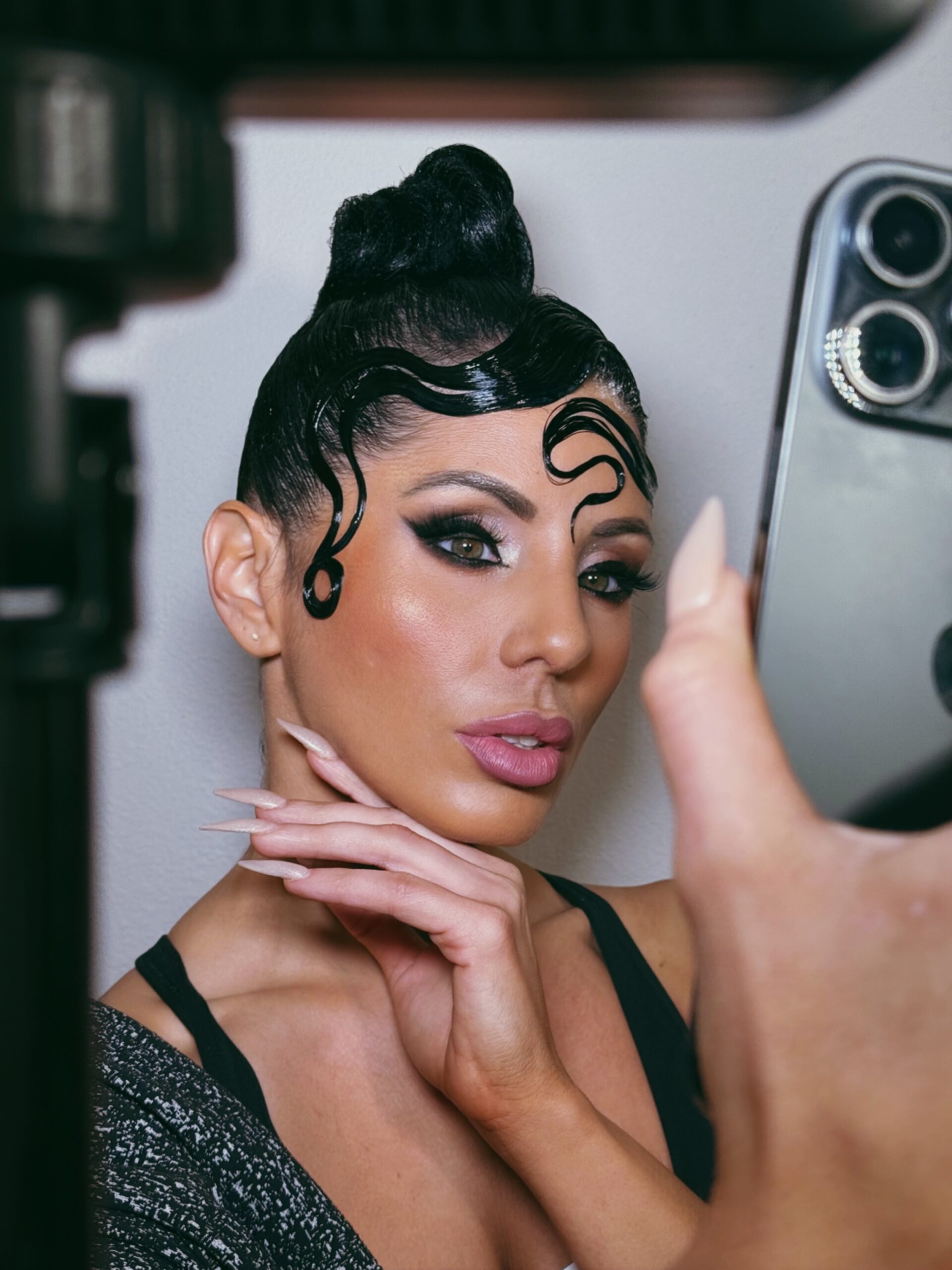
What Is Stage Makeup?
Stage makeup is a broad category within the makeup industry, and it includes several different types of performance environments. It can be divided into fashion stage, theater and film, music performance, and dance stage.
Each of these areas has its own requirements, but they all share one essential principle. Stage makeup must be visible, durable, and adapted to lighting, distance, and movement.
Unlike everyday or even bridal makeup, stage makeup is not created for close, natural viewing. It is designed to be seen from a distance, under strong lighting, and often in dynamic conditions.
Why Stage Makeup Needs to Be Strong
The primary reason stage makeup needs to be stronger is visibility.
On stage, there is always a physical distance between the performer and the audience. In addition, strong lighting can wash out facial features and reduce contrast. Without proper makeup intensity, the face can appear flat or undefined.
Therefore, features must be enhanced more deliberately. Eyes, contours, and structure need to be clearly defined so that expressions remain visible even from far away.
At the same time, stage makeup must also be long-lasting. Performers move, sweat, and stay under lights for extended periods. The makeup must remain stable and intact throughout the entire performance.
Fashion Stage Makeup: Speed and Adaptability
Fashion stage makeup, especially in environments such as New York Fashion Week, offers a unique experience. It is fast-paced, creative, and highly collaborative.
Makeup artists often work under time pressure, creating looks quickly and adapting to multiple designers within a short timeframe. In many cases, models participate in several shows in one day, which requires fast transformations.
Because of this, designers sometimes agree on a universal makeup look. This is often neutral, allowing the focus to remain on the collection rather than the makeup.
However, there are also moments when designers choose to complement their collection with more creative or expressive makeup. In these cases, makeup becomes part of the overall artistic direction.
Despite being on stage, fashion makeup is usually not overly heavy. The audience is relatively close, so the application can remain more refined and controlled, similar to an elevated everyday look.
Theater and Film Makeup: Stronger Definition
Theater makeup is one of the most demanding forms of stage makeup. The distance between the actors and the audience is significant, and the lighting is intense.
Because of this, makeup must be stronger and more defined. Facial structure needs to be enhanced clearly so that expressions are visible from every seat in the audience.
In some cases, this includes advanced techniques such as character transformation or prosthetics. Even in more natural roles, the makeup is still more pronounced than everyday or fashion makeup.
Film makeup, while slightly more controlled due to camera proximity, also requires precision. Lighting and camera settings influence how makeup appears on screen, so the application must be carefully balanced.
Performance Makeup: Singers and Artists
Makeup for singers and performers depends on the scale of the stage.
For large performances, makeup needs to be more intense to remain visible both in person and on screens. At the same time, it must align with the artist’s personal style and image.
Modern performances often include screens and close-up visuals, which means the makeup must look good both from a distance and up close. This requires a balance between strength and refinement.
Dance Stage Makeup: Movement and Durability
Dance makeup, especially in disciplines such as ballroom, requires both intensity and durability.
Dancers are constantly moving, sweating, and performing under pressure. Their makeup must stay in place while maintaining a strong visual impact.
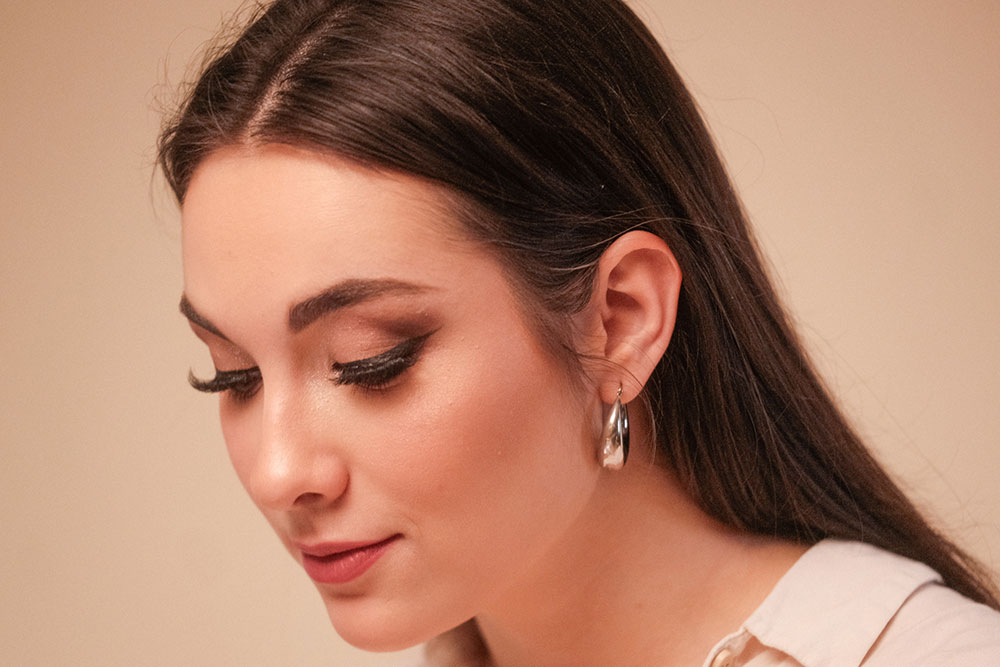
In this context, makeup is often more dramatic. Darker eye looks, defined contours, and bold lashes are commonly used to enhance facial expressions and ensure visibility.
At the same time, technique becomes critical. The makeup must be properly set, layered, and blended to withstand movement without breaking down.
Technique as the Key to Strong Makeup
Regardless of the stage type, technique is what determines success.
Strong makeup does not mean excessive product. It means controlled application, proper layering, and precise blending.
Products must be worked into the skin in a way that ensures both intensity and longevity. The goal is to create structure without heaviness, and definition without losing control.
When technique is correct, even bold makeup can look clean, balanced, and professional.
Final Thought
Stage makeup is not simply about making the makeup heavier. It is about understanding the environment, the lighting, the distance, and the movement involved.
Each type of stage requires a different approach, but all rely on the same foundation. Strong, visible, and long-lasting makeup built with proper technique.
When done correctly, stage makeup enhances performance, supports expression, and allows the artist to feel confident and fully present on stage.