
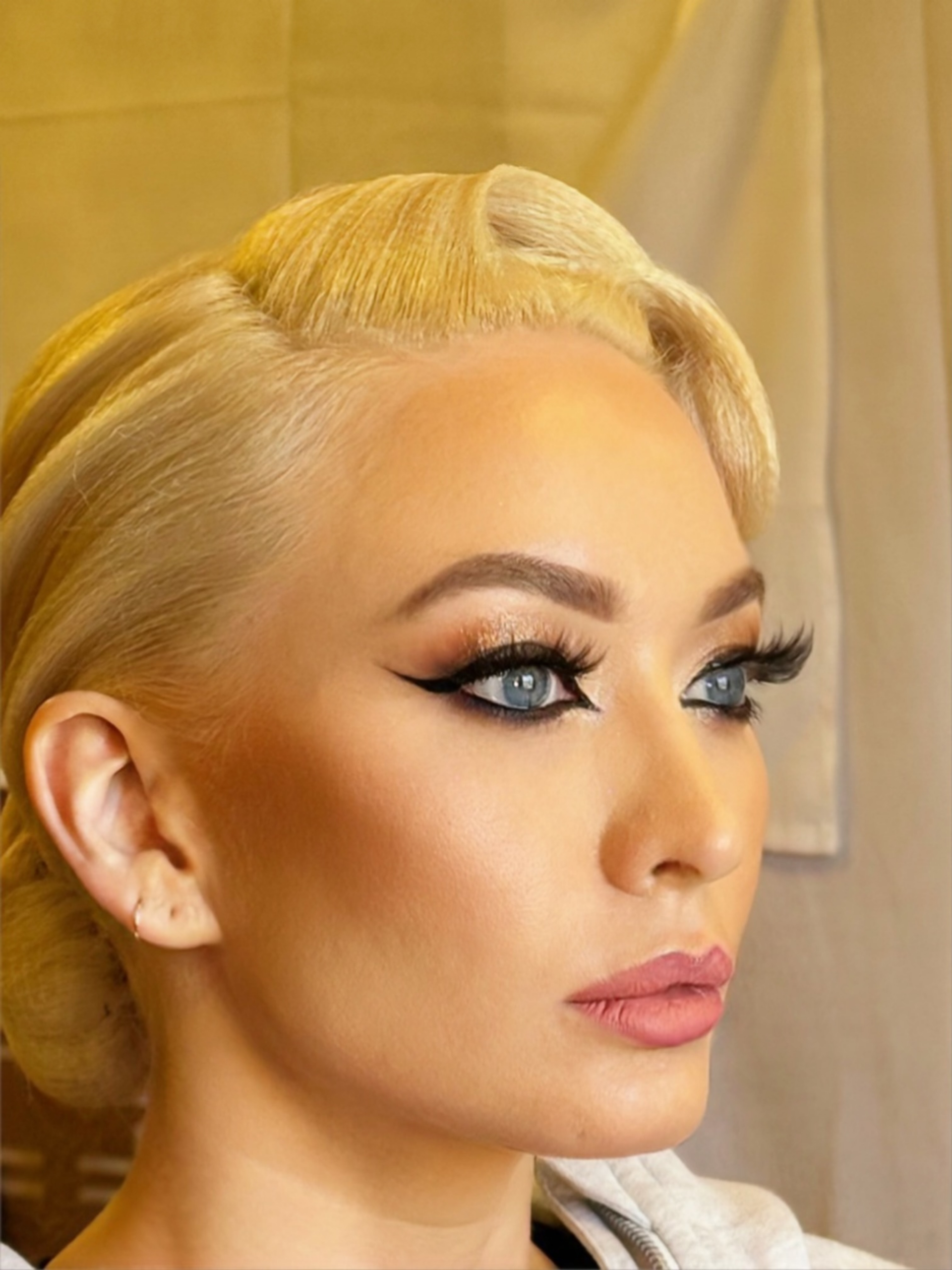
Stage makeup is one of the most demanding areas in the beauty industry, and over time I realized just how much lighting can completely change everything we create on the face. When I first started working, I approached makeup in a similar way regardless of the environment. However, experience quickly showed me that stage requires a completely different understanding, not only of technique, but of light, distance, and overall presence.
Why Lighting Changes Makeup Completely
On stage, the lighting is extremely strong. In many cases, performers cannot even see the audience because all the light is directed toward them, while everything in front of them remains in darkness. This contrast creates a very specific visual effect.
Makeup that looks soft and balanced in natural light can completely disappear under stage lighting. Because of that, what we apply must be stronger, more defined, and intentionally built to be seen.
The Role of Distance and Visibility
At the same time, distance plays a huge role. The audience is often far away, and the face needs to communicate expression clearly. Subtle details are simply not enough.
That is why stage makeup requires more structure, more depth, and more visible definition. It is not about overdoing makeup without reason, but about adjusting it so it translates correctly in that environment.
When Makeup Becomes Part of the Entire Look
Through my experience, especially working with dance stage makeup, I noticed how important it is for everything to work together. Makeup is never isolated. It becomes part of a complete visual story that includes hair, costume, movement, and energy.
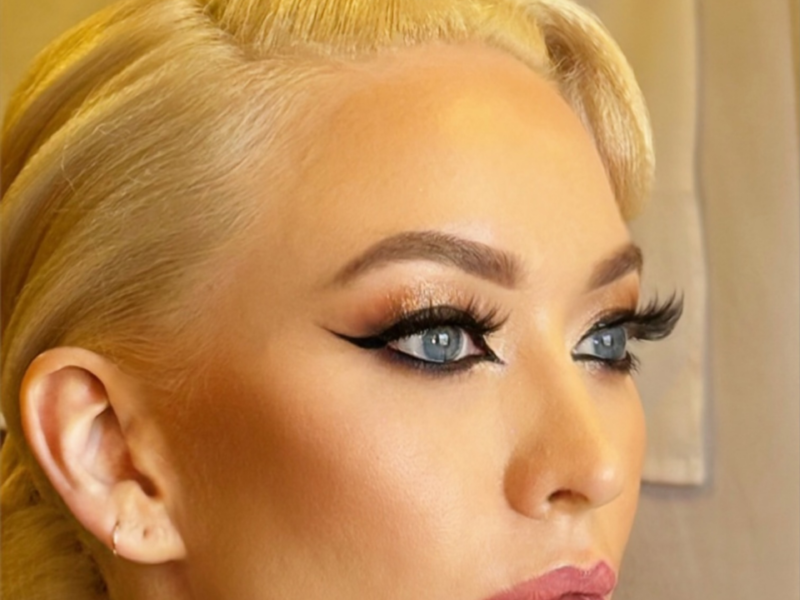
On a large stage, everything needs to shine and feel intentional. Strong smokey eyes, defined features, and dramatic lashes are not just a stylistic choice—they are a necessity.
Can Stage Makeup Still Feel Natural?
However, not every client feels comfortable with very heavy makeup. There are moments when someone wants a softer, more natural look, even on stage.
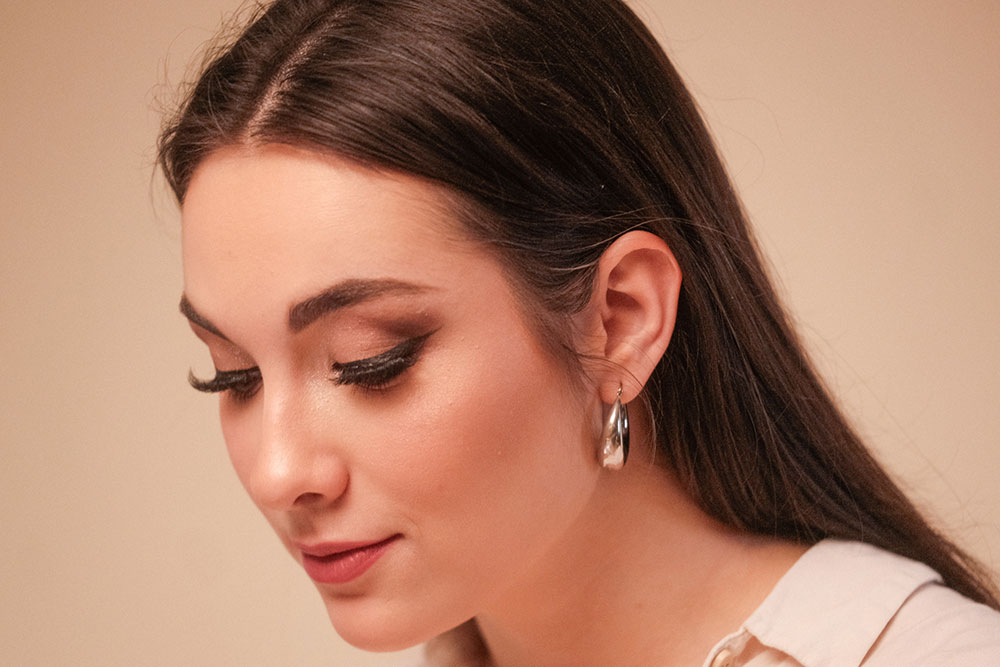
In those situations, the key is not to reduce the makeup completely, but to control how it is placed. The makeup can be lighter in layers, but it still needs to hold structure and visibility. It must still have that “pop” effect under lighting.
Adapting to Different Types of Stage
When it comes to theater, the approach can go even further. In some cases, makeup is not only about beauty but about transformation. Different products, stronger foundations, and even special effects or masks can be used to create characters.
Each stage requires a slightly different approach, but the principle remains the same—makeup must work with the environment, not against it.
Learning How to Adapt as a Makeup Artist
Learning how to adapt makeup to lighting is not something that happens overnight. It develops through experience, but also through the right education.
Inside a professional makeup course, whether it is an online makeup course or an advanced makeup program, artists learn how to think beyond the face itself. They learn how makeup behaves under different conditions and how to adjust it for real situations.
Stage makeup is not about making something look pretty up close. It is about making it work in a completely different setting.
Once you understand how lighting changes everything, your approach becomes more intentional, more confident, and much more professional.