
In makeup artistry, technique matters. Products matter. Experience matters. However, there is one element that often defines the entire experience even before the makeup begins—communication.
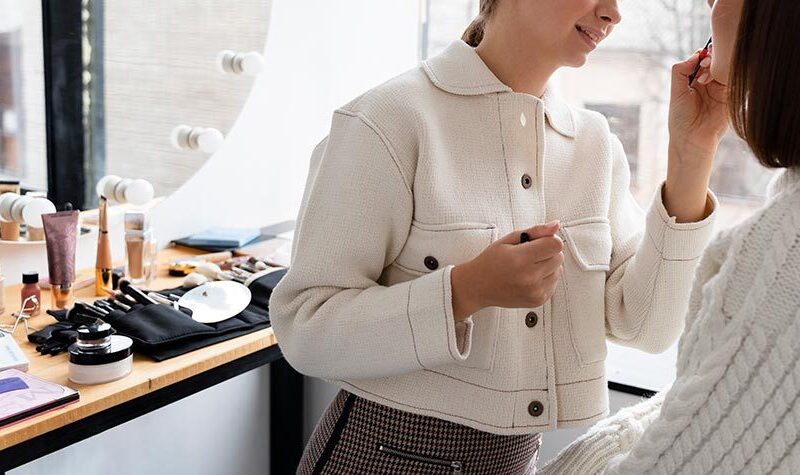
From the very first moment, whether the client comes to your studio or you arrive at their location, the way you communicate sets the tone. It creates trust. It creates comfort. And most importantly, it creates connection.
First Contact Sets the Energy
Before any brush touches the face, there is a moment of introduction. That moment should feel natural and relaxed. Not forced. Not overly formal. Because both sides need to feel comfortable. In fact, this is where the real work begins. Not with makeup, but with presence.
A client who feels at ease will trust you more. And when trust is there, everything else flows much easier.
Go Beyond Basic Consultation
Of course, every makeup artist asks the usual questions.
Where are you going?
What is the occasion?
What look do you prefer?
However, strong communication goes beyond that.
It includes understanding:
- The location of the event
- The overall concept
- The dress or outfit
- The hairstyle
All of these elements influence the final makeup look. Therefore, the more you know, the better you can create.
Makeup as Balance Between Hair and Outfit
Makeup never exists on its own. It always sits between hair and outfit, and because of that, it has the power to balance the entire look. For example, if the dress is bold, structured, or very expressive, the makeup can be softer. This allows the outfit to stay in focus.
On the other hand, if the client has a strong personality or prefers a more dramatic style, the makeup can follow that energy and become more intense. This is where communication becomes essential.
Because through conversation, you understand not only what the client says—but who they are.
Show Your Knowledge Through Conversation
When you guide the client through these choices, you are not just asking questions. You are showing expertise. For instance, suggesting to soften the makeup because the outfit is already strong is not just a preference. It is professional thinking. And clients recognize that. Even simple questions, when asked with intention, show that you understand the bigger picture.
That is what builds confidence in your work.
The Psychology Behind Every Appointment
Makeup is not only visual. It is emotional. Sometimes, you are not just a makeup artist. You are also someone who creates a safe space. That is why communication must adapt.
Some clients want to talk. Some prefer silence. Some want guidance. Some already know what they want. A professional makeup artist knows how to read that. And that skill often makes more difference than the makeup itself.
Where Communication Is Learned
These are not random skills. They are developed. Inside a makeup course, especially an online makeup course or professional makeup artist training, artists learn not only technique, but also how to communicate, guide, and build trust with clients.
Because in real work, success is not only what you create.
It is how you connect.
Great makeup artists don’t just apply makeup. They understand people. And in that understanding, communication becomes the key to everything.