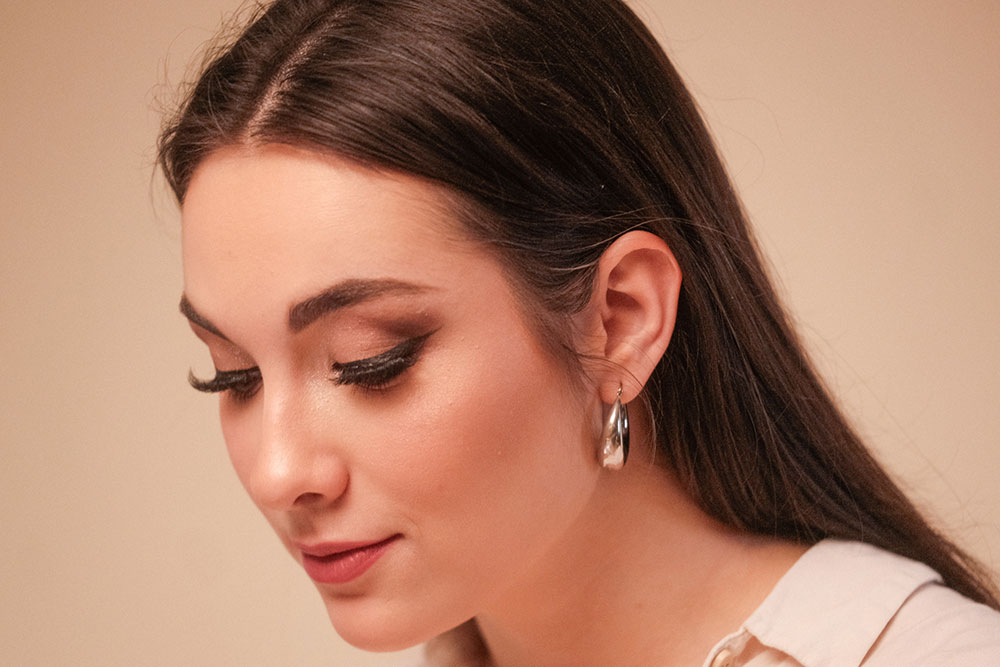

Makeup often begins in the simplest way. It starts with curiosity. A brush in hand. A desire to explore. For many, it is just a personal moment in front of the mirror, something creative, something light. But sometimes, without pressure or expectation, that small beginning turns into something much bigger.
The transition from hobby to profession in the makeup industry rarely happens overnight. It unfolds gradually, through experience, exploration, and a growing connection to the work itself. Many who enter this world do not initially plan to build a career. They come to learn how to do their own makeup, to understand products, or simply to feel more confident in their appearance.
And yet, something shifts along the way.
The Moment Everything Starts to Change
Through years of working with students from different backgrounds, one thing becomes very clear. There is no single path into this industry. Some individuals arrive with a clear goal to become professional makeup artists. Others begin without any intention of turning it into a career. They simply want to learn. Interestingly, both paths can lead to the same destination.
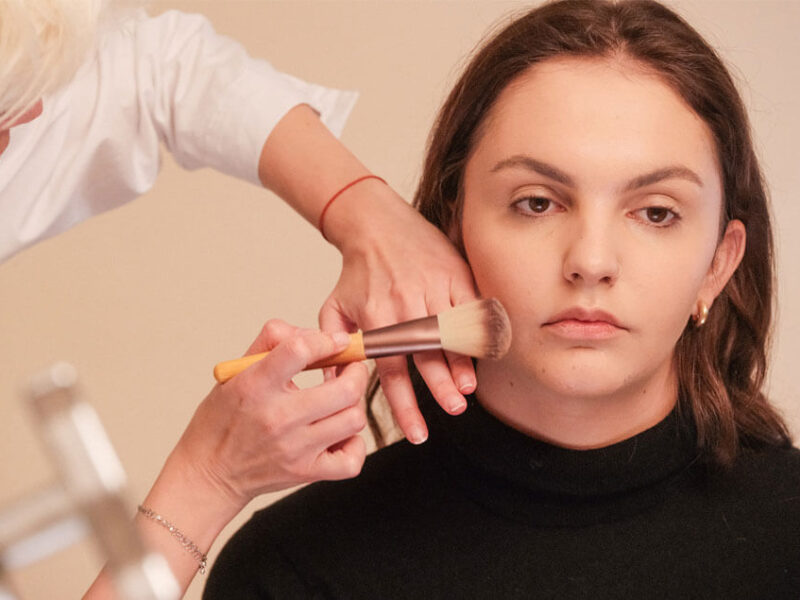
For many, the first real turning point happens the moment they start working on others. What begins as a personal skill becomes a shared experience. There is a different kind of satisfaction in seeing someone else look in the mirror and feel more confident, more radiant, more aligned with themselves. That emotional response creates a deeper connection to the work. At that stage, makeup is still a hobby, but it is no longer just casual. There is interest, there is curiosity, and there is a desire to improve.
Over time, that curiosity grows into something more structured. Skills develop. Confidence builds. The artist begins to understand face shapes, eye structures, and how small adjustments can completely change balance and expression. What once required conscious thinking slowly becomes intuitive.
This is where the shift begins.
When Passion Becomes Responsibility
Some choose to keep makeup as a side job, something they return to occasionally, perhaps working with clients from time to time or keeping it as a creative outlet. For others, however, the passion deepens. They start to see real potential, not only creatively but professionally.
Those who approach it with focus and consistency often begin to build their own client base. Many naturally gravitate toward a specific niche. Bridal makeup, for example, becomes one of the most common and profitable directions. It allows artists to combine technique, emotion, and long-lasting results in a very personal setting. At this point, makeup is no longer just about enjoyment. It becomes a responsibility.
Working professionally introduces a new level of awareness. There are moments when inspiration flows easily, when the creative energy is strong and everything feels effortless. But there are also moments when that feeling is not present. Not every client will inspire the same reaction. Not every session will feel exciting.
And yet, professionalism means showing up fully, regardless of inspiration.
This is one of the biggest differences between hobby and career. A hobby allows freedom without pressure. A profession requires consistency, discipline, and the ability to deliver results every time.
Still, the most successful makeup artists never lose the original sense of enjoyment. Passion remains essential. Without it, the work becomes mechanical. With it, even the most routine session can become meaningful.
There is also a natural evolution in value. As experience grows, so does confidence. Pricing changes. The perception of the work changes. Makeup, as an art form, holds real value in the market, and that value increases with skill, reputation, and consistency.
At the same time, it is important not to approach this path too rigidly. Unlike traditional careers, the beauty industry does not always follow a linear direction. Creativity does not respond well to strict expectations. Growth often happens in unexpected ways, through different clients, different opportunities, and different phases of inspiration.
Finding Balance Between Freedom and Professionalism
This is why balance becomes important. The ideal space exists somewhere between the freedom of a hobby and the structure of a profession. It is a place where the artist feels both relaxed and responsible, both creative and focused. Without tension, but with intention.
Over time, technique becomes second nature. The hand learns. The eye becomes trained. A face is no longer analyzed step by step, but understood instantly. What once required effort becomes instinct. And that is when makeup truly transforms into a profession. At its core, this industry offers something unique. It allows individuals to build a career out of creativity, connection, and personal expression. It can remain a hobby, become a full profession, or exist somewhere in between.
But in every case, it remains a form of art. And like any art, it asks for presence, passion, and a genuine connection to the work.